The history of human communication has always been intertwined with the tools we create. From the printing press to the telephone and the internet, every major technological leap has fundamentally altered how we relate to one another. Today, we are standing in the midst of the most significant shift yet: the integration of Artificial Intelligence (AI) into the fabric of our social lives.
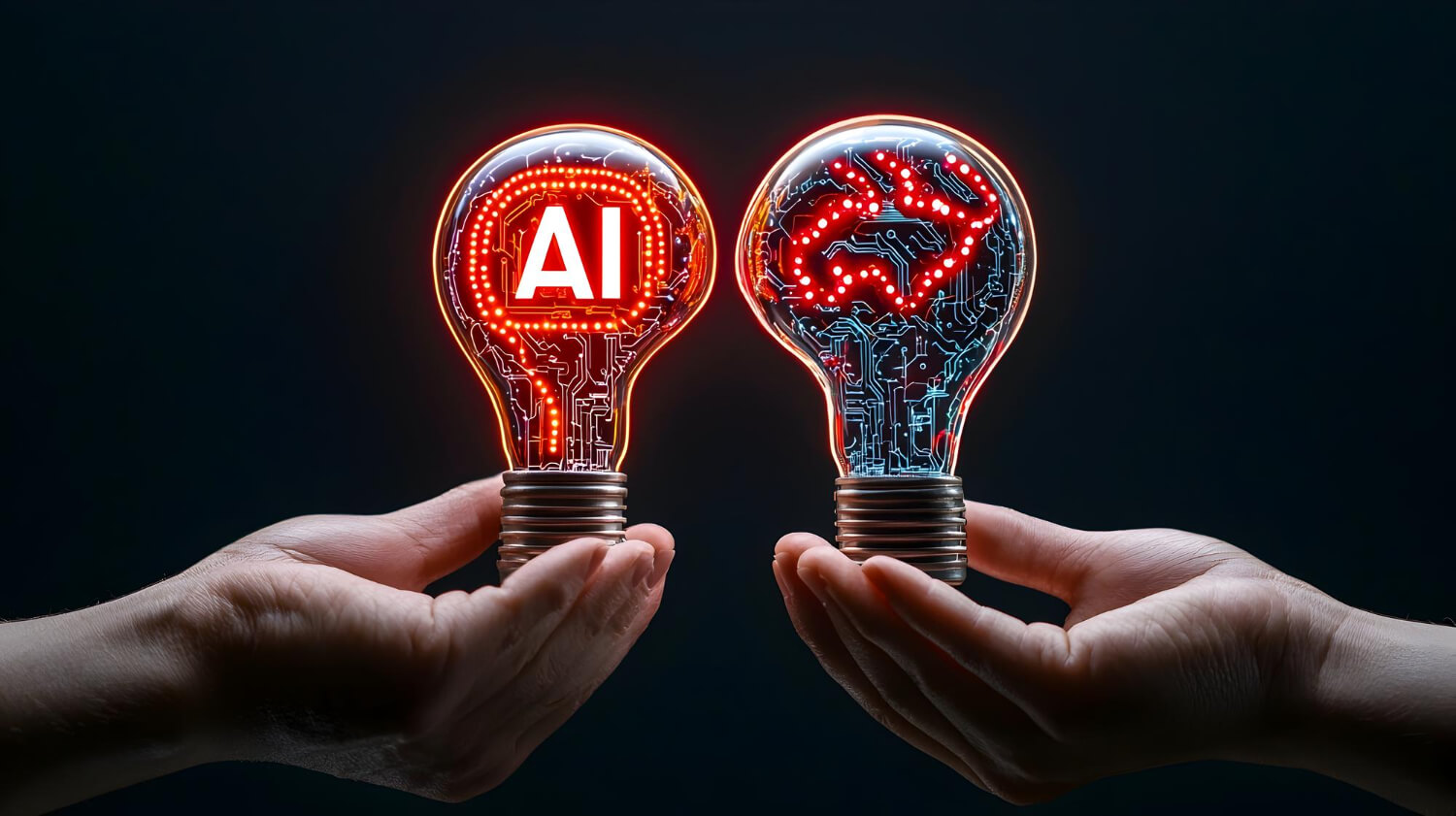
As we navigate 2026, AI is no longer just a backend tool for sorting data or optimizing search results. It has become a proactive participant in our social ecosystems. While there is much debate regarding the “dehumanizing” potential of technology, a new wave of AI solutions is emerging with a different goal: to enhance, facilitate, and even repair human social interaction.
Breaking the Language Barrier: Real-Time Universal Translation
One of the most profound barriers to global social interaction has always been language. In the past, connecting with someone from a different linguistic background required years of study or the presence of a human translator. AI solutions have now reached a level of sophistication where real-time, high-fidelity translation is a reality.
Modern AI-driven translation tools go beyond simple word-for-word substitution. They now incorporate “contextual nuance” and “emotional tone.” For instance, wearable AI devices can translate a conversation in real-time, allowing two people speaking different languages to maintain eye contact and natural rhythm. By removing the friction of language, AI is fostering a more inclusive global community where social interaction is limited only by our willingness to talk, not by our vocabulary.
AI as a Social Coach: Supporting Neurodiversity
Social interaction is not equally intuitive for everyone. For individuals with social anxiety or those on the autism spectrum, navigating the unwritten rules of human conversation can be a source of immense stress. AI solutions are currently being developed to act as “social bridges” or coaches.
These AI applications use computer vision and natural language processing to provide real-time feedback on social cues. They can help users identify facial expressions, interpret sarcasm, or suggest appropriate conversational shifts. Unlike a human coach, an AI is infinitely patient and non-judgmental, providing a safe space for individuals to practice and gain confidence. In this context, AI is not replacing human interaction; it is providing the tools necessary for more people to participate in it meaningfully.
Combating Loneliness: The Role of AI Companionship
We are currently facing a global “loneliness epidemic,” particularly among the elderly and those living in isolated conditions. While a machine can never replace the depth of a human soul, AI companions are proving to be an effective supplemental solution.
Advanced AI entities are now capable of maintaining long-term memory of a user’s preferences, stories, and emotional states. For an elderly individual living alone, an AI companion can provide cognitive stimulation, remind them of social appointments, and offer a sense of presence. By acting as a conversational partner, these AI solutions keep the “social muscles” of the brain active, often serving as a gateway that encourages users to seek out more real-world human engagement rather than withdrawing into total silence.
Enhancing Digital Communities through Intelligent Moderation
The dark side of social media—harassment, trolling, and toxic discourse—has often made digital social interaction a negative experience. Conventional moderation has struggled to keep up with the sheer volume of content. AI solutions are now being deployed to create healthier digital town squares.
New generation AI moderators are capable of understanding intent rather than just flagging “forbidden words.” They can detect bullying or escalating aggression before it deplatforms a constructive conversation. By filtering out the noise and the hate, AI allows for more genuine, productive social interactions to flourish in online spaces. These tools act as a digital “social gardener,” removing the weeds so that community and connection can grow.
The Ethics of Artificial Intimacy
As AI solutions become more adept at mimicking human empathy, we must address the ethical implications of “artificial intimacy.” There is a risk that individuals might prefer the easy, frictionless interaction of an AI over the messy, challenging, and sometimes disappointing nature of human relationships.
Social interaction is fundamentally built on vulnerability and mutual growth—traits that an AI, by definition, simulates rather than experiences. The challenge for the mid-2020s is to ensure that AI serves as a “supplement” to our social lives rather than a “substitute.” We must maintain a clear distinction between the efficiency of AI-facilitated communication and the messy beauty of human-to-human bonding.
Conclusion: A Tool for Deeper Connection
The integration of AI into social interaction is not a sign of our growing distance from one another, but rather a reflection of our desire to connect more effectively. Whether it is by breaking down language barriers, assisting those with social challenges, or cleaning up our digital environments, AI solutions are providing the infrastructure for a more connected world.
Ultimately, technology is a mirror. If we use AI to hide from the world, it will isolate us. But if we use it to open new doors, understand new perspectives, and bridge old divides, it becomes one of the most powerful social tools ever invented. The future of social interaction is not “human vs. AI,” but “human empowered by AI.”
Would you like me to explore the specific impact of AI on professional networking and workplace social dynamics, or perhaps a piece on the privacy concerns surrounding social AI?